
Movement is not just about performance. It is about carrying groceries without strain, climbing stairs without hesitation, and staying capable as the years pass. Pijaso explores the principles behind functional fitness — the kind that actually serves your life.
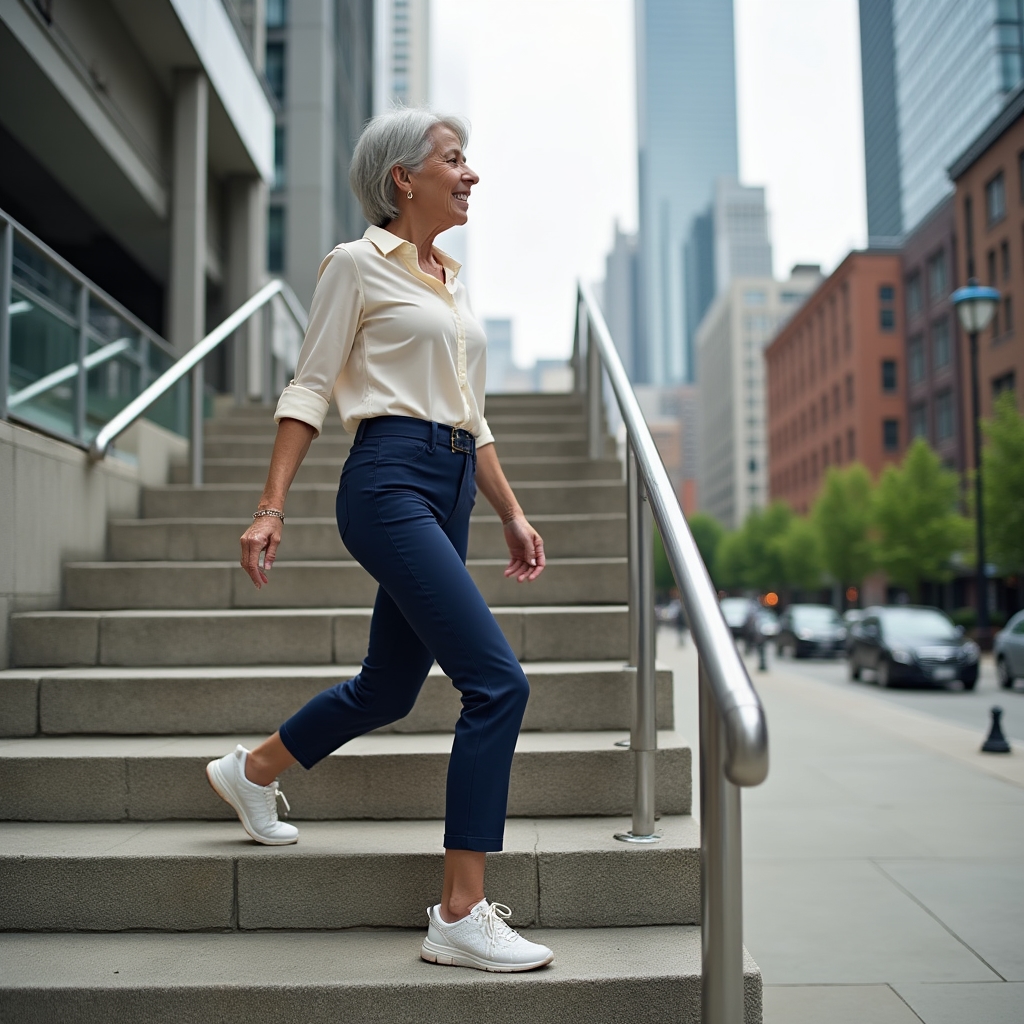

Understanding the building blocks of movement that carry you through decades of life.
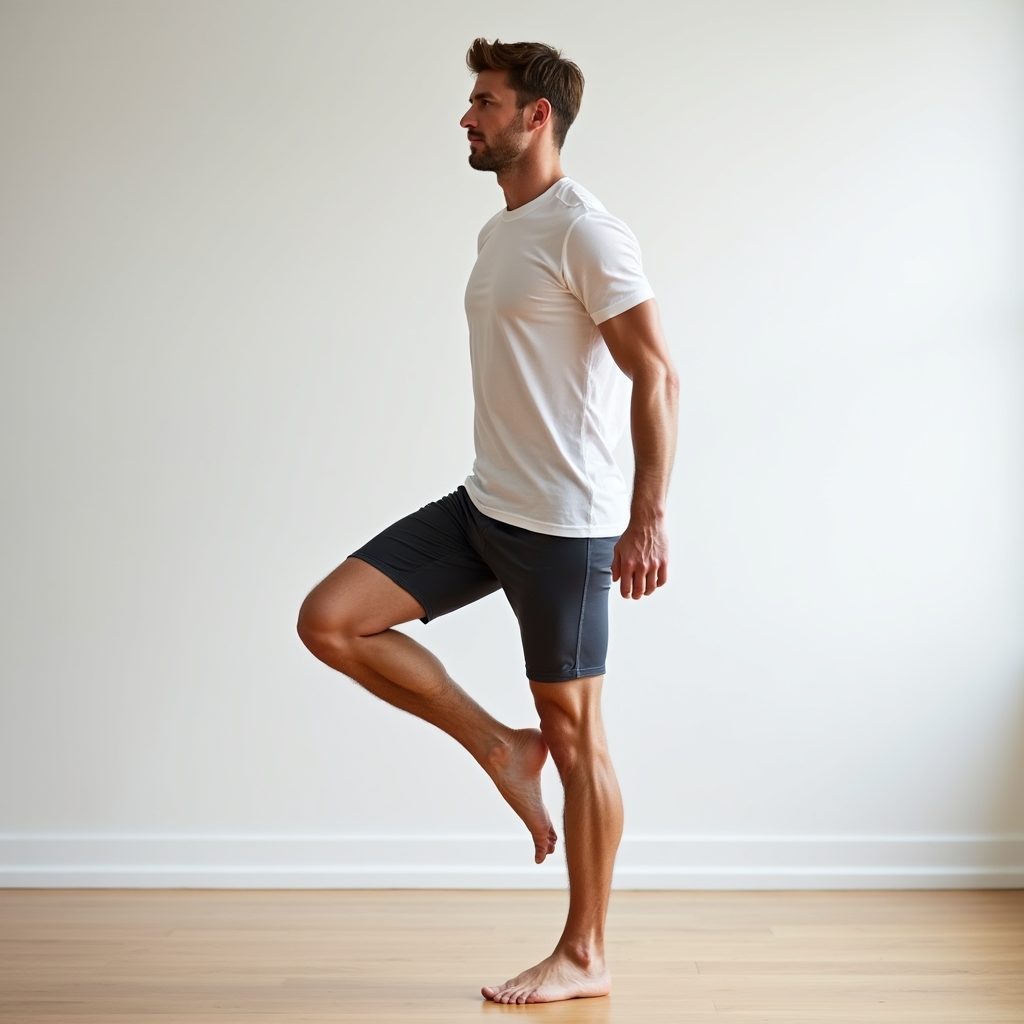
Your body's ability to control its position in space is one of the most underrated aspects of physical health. Balance underpins nearly every movement you make — from stepping off a curb to reaching for a high shelf. Stability training does not require sophisticated equipment. It requires attention.
Joints need to move through their full range to stay healthy. Restriction builds slowly and often goes unnoticed until daily tasks feel harder than they should.
Functional strength is organized around movement patterns: pushing, pulling, hinging, squatting, carrying, and rotating. These six patterns cover most of what life demands of your body.
The ability to sustain effort over time matters whether you are walking a long distance, playing with children, or recovering from illness. Cardiorespiratory fitness supports everything else.
Physical capacity does not decline purely because of age. Much of what we attribute to aging reflects cumulative disuse. Consistent movement throughout life preserves muscle tissue, bone density, coordination, and the neurological pathways that make movement feel natural. Starting is never too late.
Picking things up from the floor. Bending at the hips with a neutral spine protects your lower back while loading the powerful posterior chain — hamstrings and glutes.
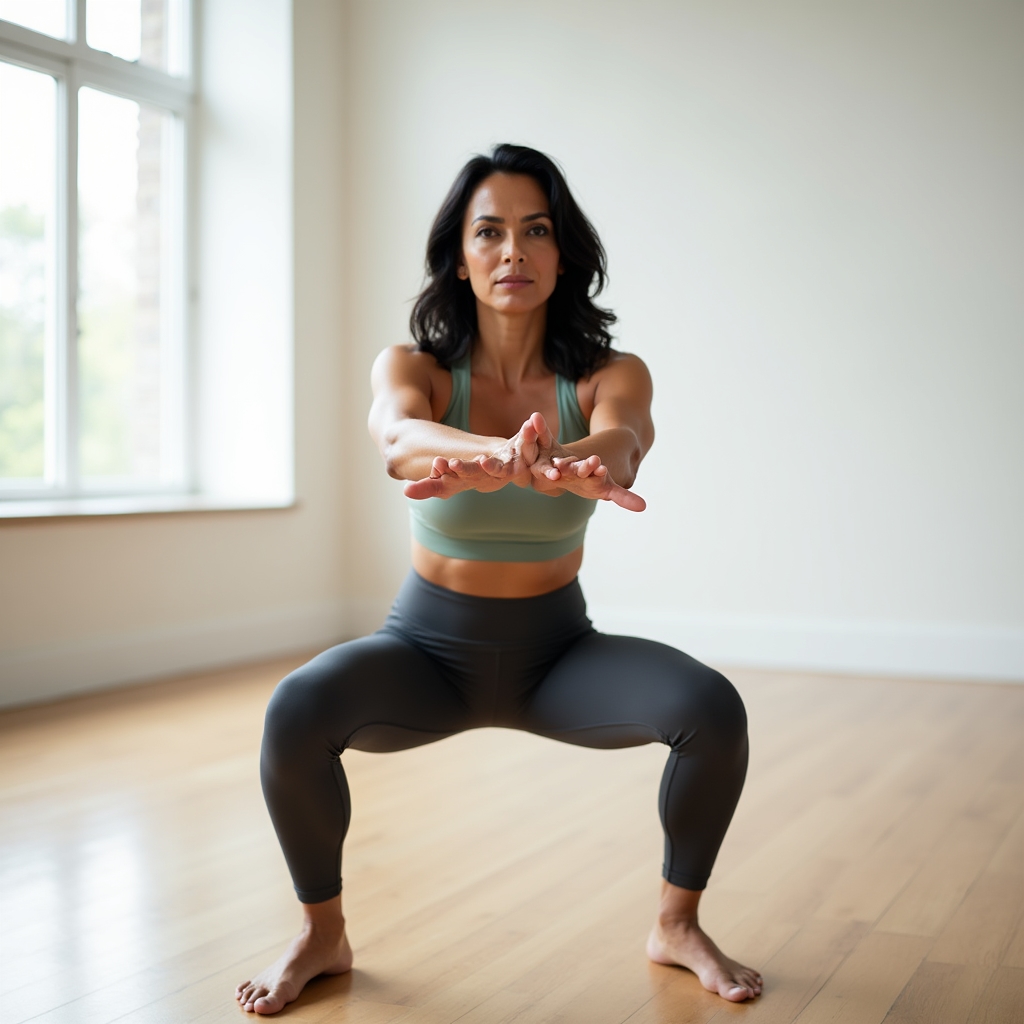
Sitting and standing is a squat. This pattern requires ankle mobility, hip flexibility, and knee stability working in coordination — often the first pattern to degrade with age.
Moving objects away from the body or raising yourself. Horizontal and vertical pushing develops chest, shoulder, and tricep strength for pushing open doors or rising from the floor.
Drawing objects toward the body or pulling yourself up. Often neglected in modern life, pulling strength counterbalances pushing and supports the posture needed for comfortable daily movement.
Moving a load through space. Carrying challenges grip, core stability, shoulder positioning, and gait all simultaneously. Arguably the most functional of all patterns — groceries, children, luggage.
Twisting and turning through the trunk. Rotation is embedded in walking, throwing, reaching across the body, and looking behind you. Without it, other patterns compensate and often break down.
The relationship between muscles, bones, and connective tissue determines how well you move and how long you stay pain-free.
Smooth, controlled movement depends on the communication between your nervous system and your muscles — a relationship that improves with practice.
Aerobic capacity supports stamina, recovery speed, and the ability to sustain physical effort throughout the day without fatigue.
How you walk and hold yourself influences not just appearance but long-term joint health, breathing efficiency, and injury risk.
Functional fitness is a progression, not a destination. Understanding where you are in this journey shapes every movement decision you make.
Many people notice the decline before they name it. Stairs feel harder. Bags feel heavier. Recovery takes longer. This recognition is the starting point — not a judgment, but useful information about where attention is needed.
Before building a practice, it helps to understand what functional fitness actually targets. The movement patterns, the systems involved, and how they connect to the tasks of daily life. Knowledge shapes better habits.
Consistency matters more than intensity. Regular, varied movement across all the foundational patterns accumulates into significant capacity over weeks and months. Starting modest and building gradually tends to produce more durable results than intensive bursts followed by rest.
The feedback loop becomes its own motivation. Tasks that once required effort become routine. Confidence in the body's capacity grows. The gym serves life — not the other way around.
The goal is not peak performance at any single age — it is sustained capability across decades. Movement practices that age well with you are worth investing in. Physical independence at 70 or 80 is not luck; it is the result of choices made consistently over time.

Pijaso exists to make movement education accessible. Not to sell programs or promote specific routines — but to share the principles behind functional fitness clearly and honestly.
The information here draws from established exercise science literature and is organized to be useful whether you are beginning to think about functional movement or looking to deepen an existing understanding.
Our MissionExplore the educational resources or reach out with questions about the site or its content.