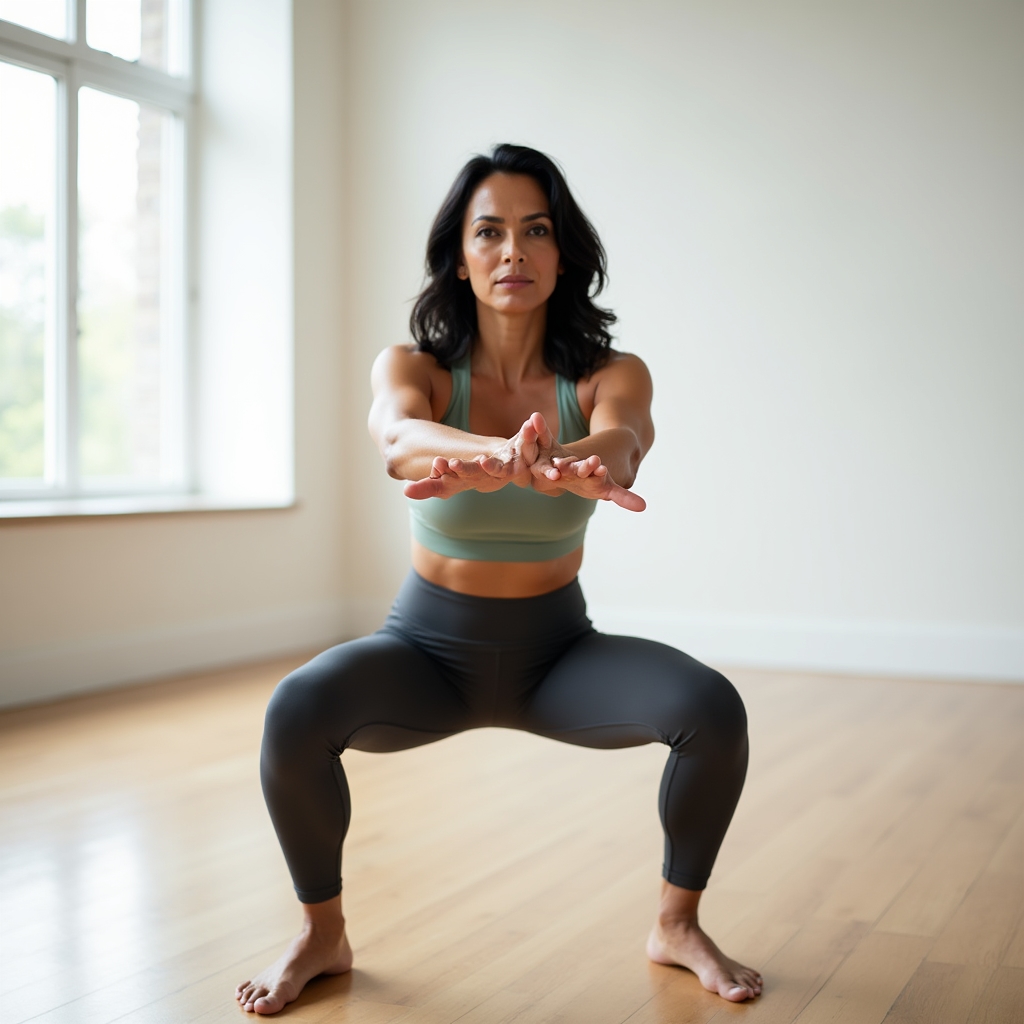
Pijaso exists to make functional movement knowledge accessible — clearly presented, honestly framed, and grounded in established exercise science.
Fitness culture tends to emphasize performance metrics: how much weight lifted, how fast a mile run, how lean a physique. These are not meaningless goals. But they often crowd out a quieter, more durable question — can you still do what you need to do, at the age you are now, and at the ages ahead?
Functional fitness asks a different set of questions. Not how strong you are in optimal conditions, but how capable you are in the conditions life actually provides. The uneven sidewalk. The heavy bag. The shelf just out of reach. The stairs when the elevator is broken.
This is the fitness that keeps people independent. It is also the fitness most likely to be neglected in the modern world, because it rarely looks impressive and seldom generates attention.
This site shares educational information about movement principles — the concepts and patterns that exercise scientists and movement specialists consider foundational to long-term physical capability. The content is drawn from peer-reviewed literature, established coaching frameworks, and the broader body of knowledge in sports medicine and physical therapy.
Pijaso does not prescribe specific programs, diagnose conditions, or provide individualized advice. That work belongs to qualified professionals who can assess individual circumstances. What we offer is context: the background knowledge that makes conversations with those professionals more productive and personal movement decisions more informed.
Anyone who is curious about how the body works and wants to understand movement better will find something useful here. The content is written for people without professional backgrounds in fitness or medicine — it does not assume prior knowledge, and it avoids jargon where clearer language exists.
Particular attention is given to topics relevant to middle and older adulthood: the physiological changes that come with age, the movement capacities most important to preserve, and the principles that support healthy aging. This is not because younger people are unimportant, but because this population is most often underserved by mainstream fitness content.
We write with care. Movement science is a field where evidence evolves, where individual variation is real, and where confident generalizations can mislead. We try to acknowledge complexity honestly rather than simplify it away.
When something is well-established in the literature, we say so. When something is contested, we note the nuance. When something depends heavily on individual factors, we make that clear. The goal is not to be authoritative for its own sake — it is to be genuinely useful.
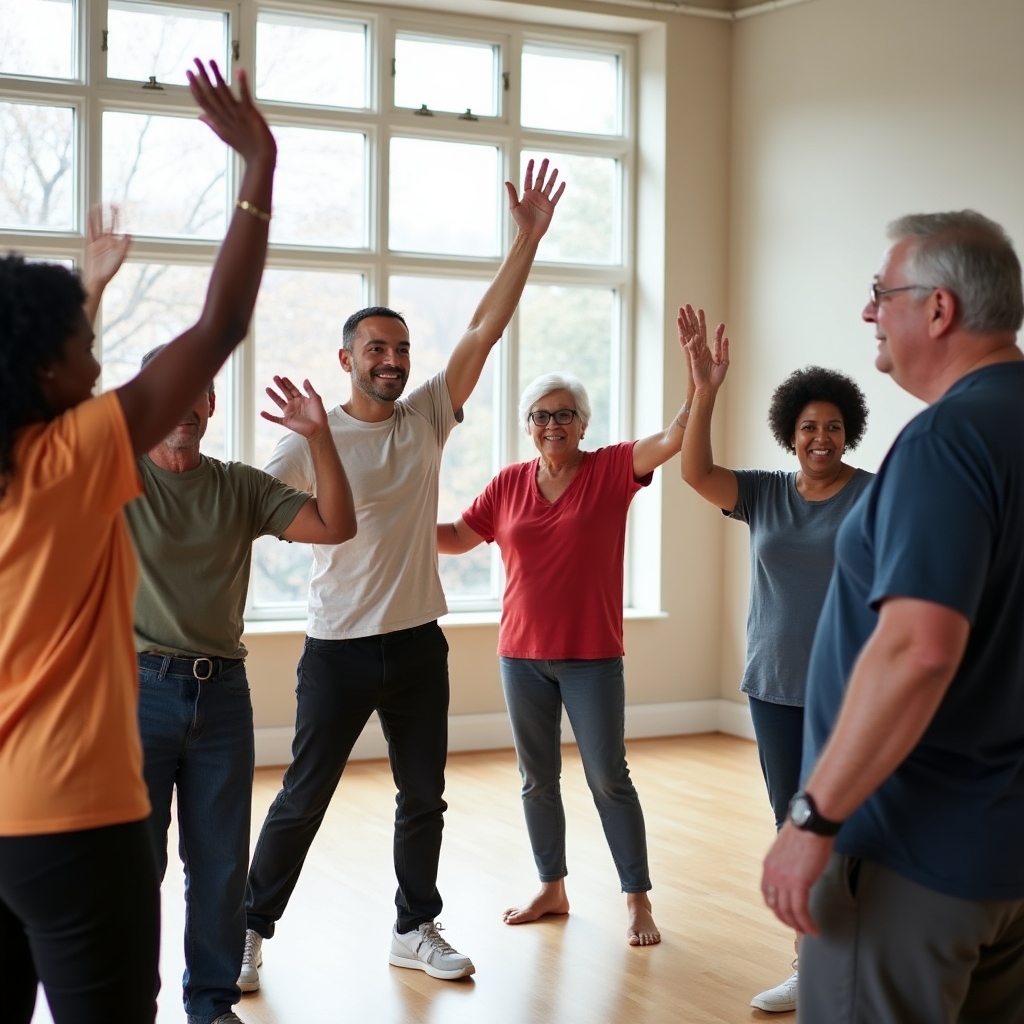
We reference established research rather than current fitness trends. What is popular and what is supported by evidence are not always the same thing.
We resist oversimplification. Bodies are complex. Movement is context-dependent. Information that acknowledges this is more useful than information that pretends otherwise.
Our focus is on capacity for daily life, not competitive performance. The person who can carry their groceries at 80 is our reference point, not the athlete optimizing for peak output.
We share our reasoning. When we draw conclusions from evidence, we explain how. Readers deserve to understand the basis of what they are reading, not just be told what to think.